Growth & Marketing
How to Reduce Gym Tour No Shows: An Operator's Playbook
Learn how to reduce gym tour no shows with faster follow-up, smarter reminders, better booking flows, and a practical recovery process for missed visits.
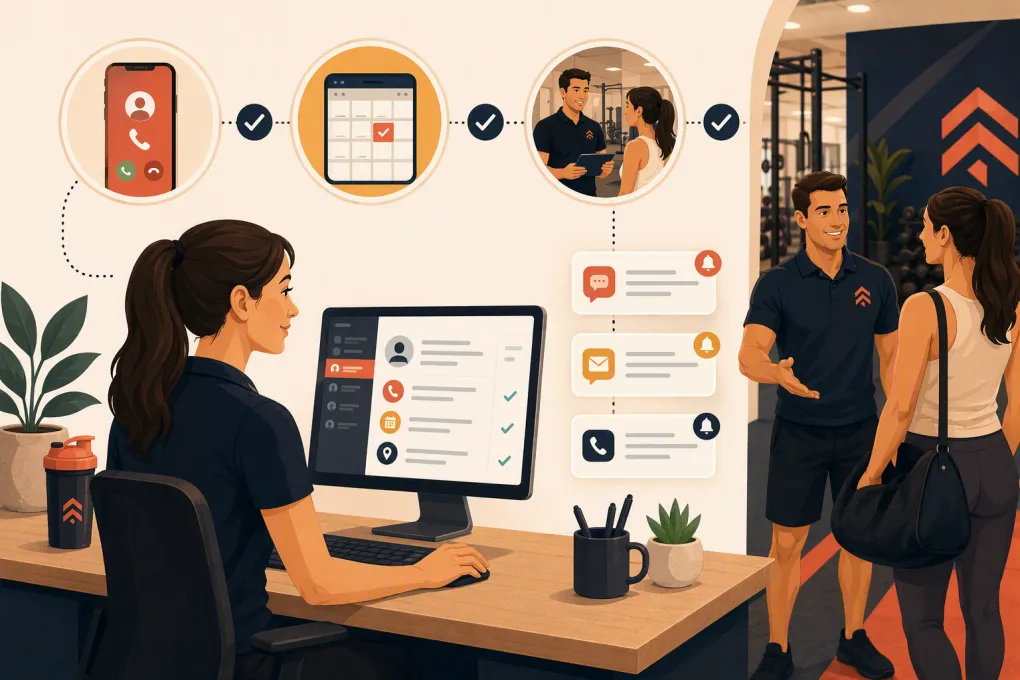 Watch · 20s
A booked gym tour is not the same as an interested prospect walking through the door. Between those two events, people get busy, forget why they booked, become anxious about visiting, or choose another facility that responded more clearly.
Reducing tour no-shows requires more than sending an extra reminder. You need a reliable process from the first inquiry through arrival—and a recovery workflow when someone still misses the appointment.
The goal is not to pressure every lead into showing up. It is to make the next step clear, easy and relevant while giving people a simple way to reschedule.
Why gym prospects book tours and fail to show
Most tour no-shows can be traced to one or more breakdowns in the lead journey:
- The response came too late. The prospect contacted several gyms and booked with whichever one answered first.
- The appointment was booked too far out. Interest cooled before the visit.
- The tour felt generic. The prospect did not understand what they would get from attending.
- The logistics were unclear. They did not know where to park, what to wear, how long the visit would take or who they were meeting.
- There was no personal connection. A booking link created an appointment, but nobody acknowledged the person behind it.
- Canceling felt awkward. Instead of replying, the prospect disappeared.
- Your team assumed the confirmation email was enough. The lead never saw it, forgot about it or had a question they did not know how to ask.
These are operating problems, not simply lead-quality problems. A disciplined process can address most of them without adding hours of manual work to the front desk.
See how Fitty keeps gym leads engaged around the clock →
Measure the tour funnel before changing it
Start with a basic funnel that separates booked appointments from completed visits. At minimum, track:
- New inquiry received
- First response sent
- Two-way conversation started
- Tour scheduled
- Tour confirmed
- Tour completed
- Membership sold
- Tour canceled, rescheduled or missed
Use four core calculations:
- Tour booking rate: tours booked divided by qualified inquiries
- Tour show rate: completed tours divided by scheduled tours
- No-show recovery rate: missed tours that later attend divided by total missed tours
- Tour close rate: new memberships divided by completed tours
Review results by lead source, location, appointment type, day, time and employee. Do not rely only on an overall show rate. A specific campaign may produce a high volume of low-intent bookings, or a particular shift may be failing to confirm appointments.
Record the scheduled time, confirmation status, cancellation reason and actual outcome. Without consistent status definitions, the data will not tell you where the process is failing.
Build a tour process that makes showing up easier
1. Respond while the prospect is still looking
Fast follow-up matters because gym shoppers rarely research one option at a time. Your first response should answer the immediate question and move toward a specific next step.
Avoid sending only a link with no context. Start a conversation:
Hi Taylor, this is Sam from Northside Fitness. I saw that you are looking for help getting back into a routine. I can show you the gym and talk through a starting plan. Would today at 5:30 or tomorrow at 12:00 work better?
Offering two appointment choices is easier to act on than asking, “When are you available?” If neither works, the prospect can suggest another time.
2. Keep the booking window short
Offer the earliest realistic appointment that fits the lead’s schedule. The longer the delay between inquiry and visit, the more opportunities there are for priorities to change.
That does not mean forcing everyone into a same-day tour. It means avoiding unnecessary delays caused by slow replies, limited staff visibility or rigid booking rules. Keep current availability accessible to whoever handles leads so prospects do not wait while staff check schedules.
3. Explain exactly what will happen
“Come in for a tour” is vague. Describe the visit in practical terms:
- How long it will take
- Who will meet them
- Whether they should wear workout clothes
- Whether the visit includes an assessment or workout
- Where to park and which entrance to use
- What information they should bring
- Whether they can bring a friend or family member
Position the tour around the prospect’s goal. A beginner looking for coaching needs a different explanation than an experienced lifter comparing equipment.
4. Use a layered reminder sequence
One confirmation is easy to miss. Create a sequence that supports the appointment without overwhelming the lead:
- Immediately after booking: Confirm the date, time, location and assigned employee. Include calendar and rescheduling links.
- The day before: Restate the plan and ask for a simple confirmation.
- A few hours before: Send a short logistical reminder with parking or arrival instructions.
If the appointment was booked for the same day, shorten the sequence rather than sending several repetitive messages.
Use both email and text when the prospect has consented to those channels. Honor opt-outs and follow applicable messaging requirements. Most importantly, make replies visible to the team. A reminder that nobody monitors can create more frustration than no reminder at all.
See how Fitty handles gym lead responses and follow-up 24/7 →
5. Create a small commitment before the visit
A prospect is more likely to remember an appointment that feels personally relevant. Ask one or two useful questions after booking:
- What result are you hoping to achieve?
- Have you belonged to a gym before?
- Is there anything that makes starting difficult right now?
- Are you more interested in independent training, classes or coaching?
Do not turn this into a long intake form. The purpose is to personalize the visit and give the assigned employee enough context to prepare.
Your confirmation can then reference the answer:
I noted that you are looking for beginner-friendly strength coaching. Jordan will walk you through the training area and explain how new members get started.
6. Make cancellation and rescheduling easy
Some operators avoid mentioning cancellation because they fear it will encourage drop-off. In practice, a clear rescheduling path helps protect the relationship when plans change.
Every reminder should provide a simple option:
Need a different time? Reply here and we will move your visit.
Track cancellations separately from no-shows. A prospect who communicates is still engaged and should enter a rescheduling workflow, not a cold lead sequence.
7. Assign clear ownership
Every scheduled tour should have one responsible employee. That person needs:
- The prospect’s name and contact details
- Stated goal and relevant notes
- Appointment date and time
- Confirmation status
- Original lead source
- Previous messages
- A defined follow-up task if the prospect misses the visit
Avoid splitting information between personal phones, paper notes, email inboxes and an unmonitored booking calendar. When context is fragmented, leads receive duplicate messages—or none at all.
Use a specific no-show recovery workflow
Even a strong process will not eliminate missed tours. What happens next determines whether the lead is lost or recovered.
Send the first message shortly after the missed appointment. Keep it neutral and easy to answer:
Hi Taylor, we missed you for your tour today. I hope everything is okay. Would you like to come by tomorrow at 5:30, or would another day be easier?
Do not use guilt-based wording such as “You failed to attend” or immediately mark the person as unqualified. Many no-shows are caused by ordinary schedule problems.
If there is no reply, follow up again with a different angle. Reconnect the appointment to the original goal rather than repeatedly saying you missed them:
You mentioned wanting help building a consistent strength routine. We can still walk you through the beginner options this week. Reply with a good day and I will help arrange it.
After several unanswered attempts across a reasonable period, move the lead into longer-term nurture. Stop sending appointment-specific reminders once there is no active booking.
Fitty, WTF Go’s AI receptionist and agent, can keep these conversations moving when staff are coaching, serving members or away from the desk. It can answer leads, follow up and support booking workflows without forcing operators to monitor every conversation manually.
See how WTF Go can automate your gym’s no-show follow-up →
Consider deposits carefully
A refundable deposit or paid intro session can create stronger commitment, but it is not the right answer for every gym.
Before adding one, consider:
- Whether your market expects free tours
- Whether the visit includes a real service, such as an assessment
- How refunds and rescheduling will work
- Whether the fee creates unnecessary friction for otherwise qualified leads
- Whether staff can explain the value consistently
Test deposits as a deliberate offer change, not as punishment for weak follow-up. If leads do not understand what they receive, charging money will not fix the underlying problem.
Run a weekly tour pipeline review
A short weekly review keeps no-shows from becoming accepted background noise. Look at:
- Median first-response time
- Tours booked, completed, canceled and missed
- Confirmation status before each appointment
- Outcomes by lead source and location
- No-shows contacted after the missed visit
- Rescheduled prospects who later attended
- Team members with overdue follow-up tasks
Listen to or read a sample of lead conversations. Check whether staff offered specific times, answered the prospect’s question and explained what the tour included. Numbers show where a problem exists; conversation reviews show why.
Then change one part of the process at a time. For example, improve the day-before confirmation before changing your entire sales script. That makes it easier to see what actually improved operations.
A practical implementation checklist
You can tighten the process this week:
- Define each tour pipeline status in your CRM.
- Create immediate, day-before and day-of reminder templates.
- Add parking, arrival and rescheduling instructions.
- Ask every lead one goal-based question.
- Assign an owner to every scheduled tour.
- Require a same-day recovery attempt after a no-show.
- Review missed tours weekly by source, shift and location.
- Automate routine responses while keeping staff available for complex questions.
The best no-show system does not depend on one exceptional salesperson remembering every task. It gives prospects useful information at the right time and gives your team a clear next action after every outcome.
Frequently asked questions
How many reminders should a gym send before a tour?
A practical sequence includes an immediate confirmation, a reminder the day before and a short logistical message a few hours before. Shorten the sequence for same-day bookings and avoid repetitive messages.
Should gyms charge a deposit for tours?
A deposit can make sense when the visit includes a valuable service such as an assessment, but it may add friction to a basic facility tour. Make the refund and rescheduling terms clear before testing it.
What should I text someone who missed a gym tour?
Keep the message neutral, acknowledge that you missed them and offer two specific rescheduling options. Avoid guilt or aggressive sales language.
What is the most important gym tour no-show metric?
Track tour show rate alongside booking rate, recovery rate and close rate. Segment the results by lead source, location, appointment time and employee to find the actual breakdown.
Can gym tour reminders be automated?
Yes. A gym management or lead automation platform can send confirmations, reminders and missed-appointment follow-up while keeping replies in one workflow for staff.
Keep reading

Run your gym on autopilot with WTF Go
Fitty — your AI receptionist — answers calls and DMs, fills classes, follows up with every lead, and collects dues while you coach.