Growth & Marketing
How to Convert Gym Trial Leads Into Members Consistently
Learn how to convert gym trial leads into members with a practical follow-up cadence, stronger trial design, sales scripts, and clear conversion tracking.
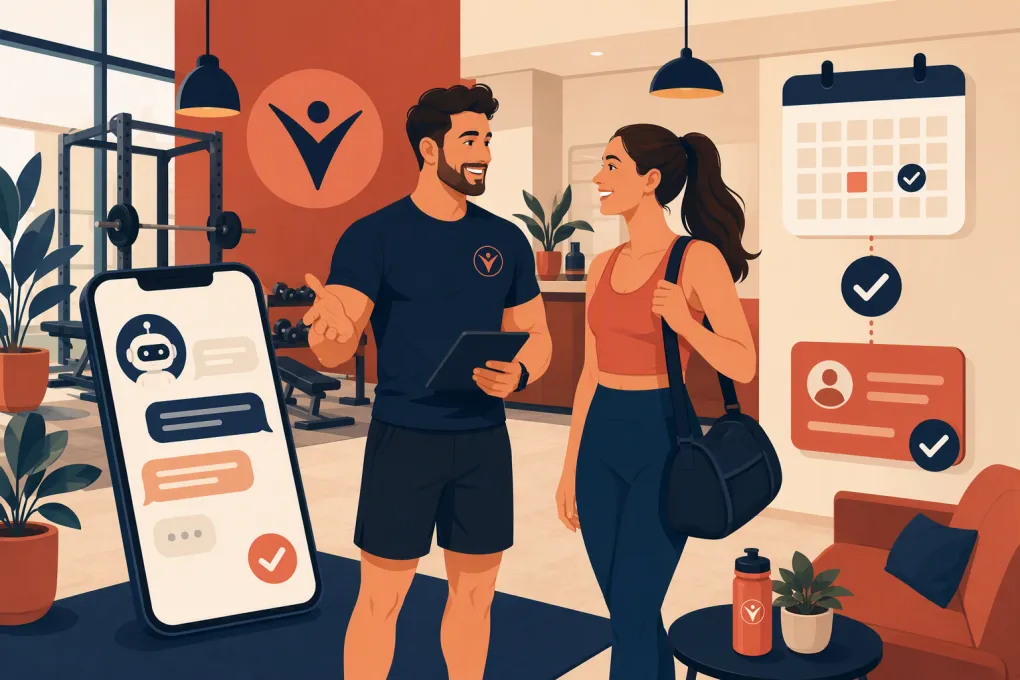 Watch · 20s
A gym trial is not the finish line. It is a controlled opportunity to understand a prospect, demonstrate the right experience and recommend a clear next step. Too many trial leads disappear because nobody owns the process between the initial inquiry, the first visit and the membership decision.
The fix is not a harder sales pitch. It is a repeatable conversion system: fast responses, specific appointments, useful staff notes, a strong first visit and consistent follow-up. Here is how to build that system without turning your coaches into full-time sales reps.
See how Fitty responds to gym trial leads and books the next step →
Define What Counts as a Trial Lead
Before changing your scripts, define the stages in your pipeline. A person who submitted a form is not the same as someone who booked a trial, and a booked trial is not the same as an attended trial.
Use clear statuses such as:
- New lead: Submitted an inquiry, called or started a conversation.
- Contacted: Received a real response from your team or automation.
- Qualified: Fits the service, schedule and location you offer.
- Trial booked: Has a specific date, time and activity reserved.
- Trial confirmed: Replied to or acknowledged the appointment reminder.
- Trial attended: Completed the introductory visit.
- Offer made: Received a specific membership recommendation.
- Joined: Completed enrollment and the required payment step.
- Nurture: Not ready now but has not opted out.
- Lost: Chose another option, is ineligible or asked to stop communication.
These stages expose the actual leak. If leads rarely book, the problem may be response speed or qualification. If bookings do not attend, focus on confirmations and pre-visit expectations. If people attend but do not join, review the trial experience and closing conversation.
Respond While the Request Is Still Relevant
A prospect may be comparing several gyms, looking at class times or trying to solve a problem they have delayed for months. A fast, useful response reduces the work required to move forward.
The first response should do three things:
- Acknowledge the specific request.
- Ask one easy qualification question.
- Offer a concrete booking path.
For example:
Hi Sam, I can help you set up a trial at Northside Fitness. Are you mainly looking for coached strength training, conditioning or a mix of both? We have intro openings Tuesday at 6:00 p.m. and Thursday at 5:30 p.m.
This is stronger than sending a price list or asking the lead to call during staffed hours. It narrows the decision and creates momentum.
If a lead calls after hours, your voicemail should explain what happens next. Better yet, use an AI receptionist that can answer common questions, collect relevant details and book within your actual availability. The objective is not to pretend automation is human. It is to prevent a ready prospect from reaching a dead end.
Qualify Without Interrogating the Lead
Qualification should improve the recommendation, not create a barrier. Ask only what your staff needs to deliver the right first visit.
Useful questions include:
- What result are you hoping to achieve?
- Have you trained in a coached gym or studio before?
- Are there injuries or limitations the coach should know about?
- Which days and times can you attend consistently?
- Are you looking to start soon or researching for later?
Record the answers in the lead profile. Do not make prospects repeat their story at the front desk, with the coach and again during the sales conversation. That signals that your team is not coordinated.
For multi-location operators, qualification should also identify the best location based on schedule, service and convenience—not simply route the lead to whichever location received the form.
Design the Trial Around the Membership You Want to Sell
A trial should represent the actual member experience. If your core product is small-group coaching, a generic open-gym pass may not demonstrate why your service is different. If you sell recurring yoga memberships, the prospect should experience a suitable class and understand how to build a weekly practice.
A well-designed trial has four parts.
1. A clear appointment
Book a specific time, service and staff member. Avoid vague instructions such as stopping by whenever the prospect is free.
2. A low-friction arrival
Send practical information before the visit:
- Parking and entrance instructions
- What to wear or bring
- When to arrive
- Any waiver that can be completed in advance
- The name of the person who will greet them
- What the session will include
3. A personalized experience
Brief the coach before the prospect arrives. A simple note such as returning to exercise after a long break, prefers mornings, concerned about knee discomfort gives the coach a useful starting point.
During the trial, create one achievable win. That could be learning a movement, completing a modified class comfortably or leaving with a realistic training plan. Do not overload a new prospect to prove that the workout is difficult.
4. A scheduled decision point
The trial should end with a short conversation, not an invitation to think about it indefinitely. Ask what the prospect liked, address concerns and recommend the membership that matches the goal and schedule discussed earlier.
Make a Specific Membership Recommendation
Presenting every plan and asking the prospect to choose creates unnecessary complexity. Lead with the option you believe fits.
A practical close sounds like this:
Based on your goal of training three mornings each week, I recommend our three-session membership. The next step is to reserve your regular classes and complete enrollment. Would you prefer to start Monday or Wednesday?
This approach is direct without being aggressive. It connects the offer to information the prospect provided.
If there are two reasonable options, explain the operational difference: number of sessions, booking access, coaching level or included services. Avoid manufacturing urgency. Any deadline, capacity limit or promotional condition should be real and clearly documented.
Follow Up With a Defined Cadence
Many trial leads will not decide at the front desk. They may need to check a calendar, discuss the expense with a partner or compare alternatives. Without a defined cadence, follow-up depends on whether a staff member remembers.
A workable sequence can include:
- Immediately after the trial: Thank them, reference something specific and restate the recommended plan.
- The next day: Ask whether a question or concern is blocking the decision.
- A few days later: Provide the direct enrollment or booking link and confirm the next available start date.
- Before a genuine offer deadline: Explain exactly what expires and when.
- Longer-term nurture: Share relevant class schedules, beginner guidance or an invitation to restart the conversation.
Change the message rather than repeatedly sending Are you still interested? Each touch should answer a question, reduce friction or present a next step.
See how Fitty keeps trial follow-up moving when your staff is coaching →
Automation should stop when the lead joins, opts out or requires a staff member. Nothing undermines trust faster than sending trial reminders to someone who already became a member.
Use Scripts as Guardrails, Not Robotic Responses
Scripts create consistency, especially across shifts and locations. Staff should still adapt them to the prospect’s goal and conversation.
After a completed trial
Thanks for training with us today, Jordan. You mentioned that accountability and early classes are the priorities, so the three-day plan is the best fit. I can help you start with Monday’s 6:00 a.m. class. Is there anything you need to clarify before enrolling?
After a missed trial
Hi Jordan, we missed you at today’s intro session. I can help you reschedule rather than make you start over. Would Tuesday at 5:30 p.m. or Saturday at 9:00 a.m. work better?
When price is the concern
Understood. Is the concern the total monthly commitment, or whether you will use the membership enough to justify it? That will help me recommend the right next step.
The price response is designed to identify the real objection. Do not immediately discount. A usage concern requires a scheduling and accountability solution; a budget mismatch may require a different plan or an honest acknowledgment that the service is not a fit.
Combine Automation With Human Ownership
Automation is useful for instant replies, reminders, routine questions and persistent follow-up. A human should take over when the lead raises an injury concern, requests an exception, disputes a charge or needs nuanced guidance.
Set an owner for each stage:
- AI or front desk handles first response and basic qualification.
- The scheduling system controls available trial times.
- The assigned coach reviews notes and delivers the experience.
- A sales owner makes the recommendation and handles objections.
- Automation sends approved follow-up unless a human conversation is active.
WTF Go brings these workflows into one operating system, while Fitty can answer leads, book classes, follow up and help collect dues around the clock. That is particularly useful when inquiries arrive while the desk is unstaffed or every coach is on the floor.
Explore a gym lead conversion workflow powered by Fitty →
Track the Entire Funnel, Not Just Membership Sales
A monthly join total cannot tell you which part of the process needs attention. Track conversion between each defined stage using a consistent reporting window.
Useful measures include:
- Lead contact rate: Contacted leads divided by new leads
- Trial booking rate: Trial bookings divided by qualified trial leads
- Trial show rate: Attended trials divided by booked trials
- Trial close rate: New members divided by attended trials
- Lead-to-member rate: New members divided by eligible new leads
- Time to first response: Time between inquiry and first meaningful reply
- Follow-up completion: Required follow-up tasks completed on schedule
Review results by lead source, location, trial type and responsible staff member. Use enough context to avoid false conclusions. A referral, an old database lead and a cold advertising inquiry are different cohorts and should not automatically be judged together.
Also audit the underlying records. Duplicate leads, test submissions, existing members and people outside your service area can distort the funnel if they are not classified consistently.
Build the Process in One Week
You do not need to redesign your entire sales operation at once. Start with this implementation checklist:
- Document your lead and trial stages.
- Assign one owner to every stage.
- Write the first-response, confirmation, no-show and post-trial templates.
- Add two-choice scheduling to your outreach.
- Create a standard pre-visit message.
- Require coaches to review trial notes before arrival.
- Define the recommended membership conversation.
- Build follow-up stop rules for joins and opt-outs.
- Test the workflow with an inquiry submitted after hours.
- Review the funnel weekly and fix the largest leak first.
Converting more trial leads is rarely about finding one perfect script. It comes from removing avoidable delays and making every handoff clear. When the lead receives a prompt answer, attends the right experience and gets a relevant recommendation, joining becomes the logical next step rather than another decision they have to navigate alone.
Frequently asked questions
How quickly should a gym respond to a trial lead?
Respond as soon as your operation reasonably can, including outside staffed hours through approved automation. The reply should answer the request and offer a specific next step, not merely confirm that a form was received.
Should a gym trial be free or paid?
Either model can work. Choose based on your positioning, service and ability to deliver meaningful value; the key is that the trial represents the membership experience and leads to a clear recommendation.
How many times should I follow up after a gym trial?
Use a defined sequence across several days, followed by relevant long-term nurture when appropriate. Stop immediately when the prospect joins, opts out or enters an active conversation with a staff member.
What should I track to improve gym trial conversions?
Track contact rate, booking rate, show rate, trial close rate, lead-to-member rate, response time and follow-up completion. Segment results by source, location and trial type to find the actual bottleneck.
Can AI follow up with gym trial leads?
Yes. AI can handle immediate responses, qualification, scheduling, reminders and routine follow-up, while staff take over for injuries, exceptions, objections and other nuanced conversations.
Keep reading


Run your gym on autopilot with WTF Go
Fitty — your AI receptionist — answers calls and DMs, fills classes, follows up with every lead, and collects dues while you coach.