AI & Automation
AI Receptionist for Fitness Studio Pricing Inquiries: Guide
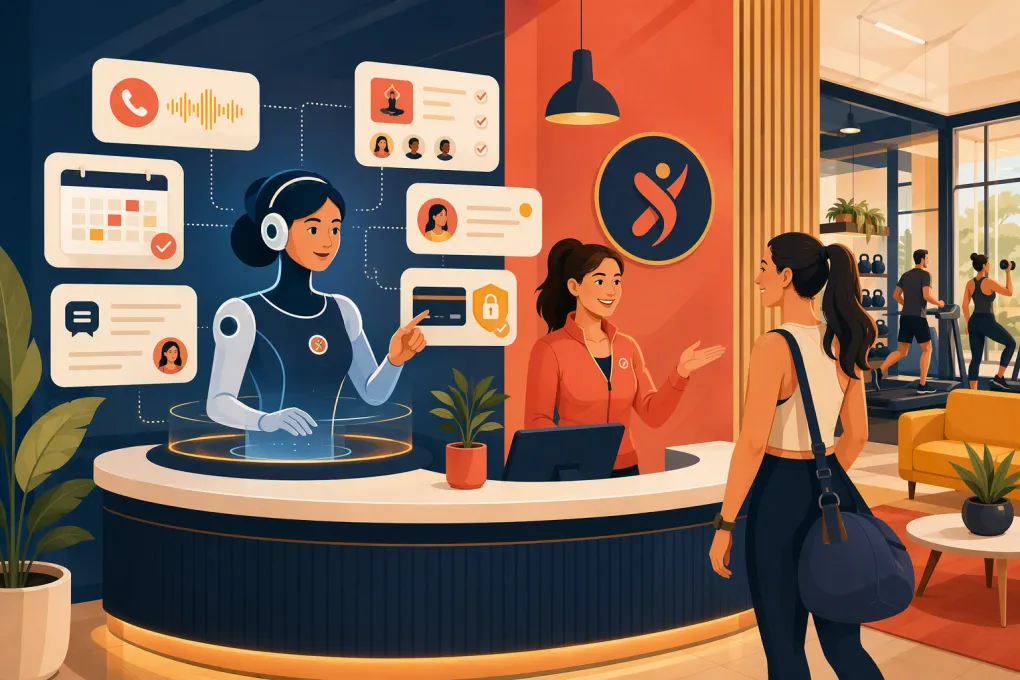
Learn how an AI receptionist for fitness studio pricing inquiries answers prospects, explains offers, qualifies leads, and books the next step at any hour.
 Watch · 20s
A prospect asks, “How much is a membership?” at 8:47 p.m. It looks like a simple question, but the right answer depends on class frequency, commitment length, location, eligibility for an intro offer, and what the person actually wants to achieve.
If nobody replies until the next morning, the prospect may have already contacted three competitors. If your automated reply only says, “Someone will get back to you,” you have acknowledged the lead without moving the sale forward.
An AI receptionist for fitness studio pricing inquiries should do more than repeat a price list. It should provide accurate information, ask a useful question, recommend the appropriate next step, and make that next step bookable immediately.
See how Fitty can answer studio pricing questions and book the next step →
Why pricing inquiries need an immediate, structured response
Pricing questions arrive through website chat, text, social messages, forms, and phone calls. They also tend to arrive when the front desk is busy coaching, checking in members, or closing for the day.
The operational problem is not simply response speed. It is response consistency.
Without a defined process, staff members may:
- Quote different rates for the same plan
- Forget to mention enrollment fees or commitment terms
- Send a long list of options without guidance
- Push for a phone call before answering the basic question
- Fail to ask what the prospect needs
- Answer once but never follow up
- Leave a conversation without a clear next action
A capable AI receptionist can apply the same approved logic every time. It can answer common questions instantly while routing unusual situations to a human.
That matters because pricing inquiries usually indicate real buying intent. The prospect may not be ready to join immediately, but they are actively comparing cost, schedule, format, and fit.
What the AI receptionist should actually do
The goal is not to hide prices or force every lead into a sales call. The goal is to help the prospect make a decision without overwhelming them.
A useful pricing conversation generally follows five steps.
1. Answer the question directly
If your prices are public and standardized, provide the relevant starting price or plan details. Do not make someone surrender a phone number just to learn whether your studio is within budget.
If pricing varies, explain why in plain language. For example:
Membership options depend on how often you want to attend. Are you looking for one or two classes per week, or unlimited access?
The AI should not claim that a custom recommendation is necessary when the real purpose is simply to withhold pricing.
2. Ask one qualifying question at a time
A pricing inquiry is a chance to learn enough to guide the lead, not conduct a long intake interview.
Useful questions include:
- What type of classes or services are you interested in?
- How often do you expect to attend?
- Is this your first time trying this format?
- Which location is most convenient?
- Are you looking for classes, private sessions, or both?
- When would you like to start?
Avoid sending five questions in one message. A conversational sequence is easier to answer and produces cleaner information for staff.
3. Recommend an appropriate offer
Once the AI understands the prospect’s goal, it can narrow the choices. That might mean recommending an intro class, consultation, trial package, drop-in visit, or recurring membership.
The recommendation must follow rules approved by the operator. AI should not invent discounts, waive fees, or promise exceptions because a prospect pushes back.
4. Make the next step bookable
Every pricing response should point somewhere concrete. Depending on your business, that may be:
- Book an introductory class
- Schedule a tour or consultation
- Purchase a trial offer
- Start a membership
- Request a call from a manager
The calendar, availability, and eligibility rules should be current. Sending someone to a generic homepage creates more work for the prospect and increases the chance that the conversation ends.
5. Follow up appropriately
Many prospects ask about pricing and then get distracted. A follow-up can answer another question, remind them about the recommended first visit, or offer a direct booking link.
Follow-up should stop when the person books, opts out, says they are not interested, or needs human assistance. If automated texts are involved, operators should also maintain appropriate consent and opt-out processes under applicable messaging rules.
Build a reliable pricing knowledge base
An AI receptionist is only as dependable as the information and rules behind it. Before activating pricing conversations, create a source of truth that covers more than the advertised monthly rate.
Document each offer completely
For every membership, package, and introductory offer, record:
- Offer name
- Current price or approved pricing language
- Billing frequency
- Commitment or minimum term
- Enrollment, initiation, or administrative fees
- Cancellation and freeze rules
- Included classes, sessions, or amenities
- Location restrictions
- Expiration dates for packages
- Eligibility requirements
- Whether the offer can be purchased online
- Approved next step
Include tax treatment if it affects the total presented to a customer. If a fee can vary, define when and why rather than giving the AI permission to guess.
Separate public information from internal discretion
Some decisions should remain with a manager, including negotiated corporate rates, hardship requests, refunds, medical exceptions, and unusual account adjustments.
Create explicit escalation triggers such as:
- “I was charged the wrong amount.”
- “Can you match another studio’s price?”
- “I need to cancel because of an injury.”
- “Your website shows a different price.”
- “Can you waive the enrollment fee?”
The AI can acknowledge the issue, collect the minimum useful context, and route it. It should not improvise policy.
Give every price an owner and review date
Assign one person to approve pricing changes across your website, booking system, sales scripts, and AI knowledge base. Review information whenever a promotion starts or ends, a membership changes, or a new location opens.
For multi-location businesses, identify which details are global and which are location-specific. A price that is correct for one studio can create a difficult front-desk conversation at another.
Example conversation flow
A practical exchange might look like this:
Prospect: How much are classes?
AI receptionist: We have options based on how often you want to attend, plus a first-visit offer for eligible local guests. Are you interested in occasional classes or a recurring membership?
Prospect: Probably twice a week.
AI receptionist: The eight-class monthly plan is likely the closest fit. It includes the plan’s listed monthly class allowance and follows the current membership terms. Would you like the full terms, or would you rather book an introductory class first?
Prospect: I want to try it first.
AI receptionist: I can help with that. Which day generally works better for you: weekday or weekend?
The exact wording and offer details should reflect your real business. What matters is the structure: direct answer, light qualification, relevant recommendation, and immediate booking path.
See how WTF Go and Fitty can turn pricing questions into booked studio visits →
Guardrails that protect the member experience
AI should have clearly defined limits. At minimum, configure the following safeguards.
Never invent or estimate a price
If the approved information is unavailable or conflicting, the AI should say it needs confirmation and escalate the question. A delayed accurate answer is better than an immediate false promise.
Disclose material terms
Do not present a recurring plan as though it were a one-time payment. If a membership includes a minimum commitment, setup fee, renewal rule, or cancellation requirement, make those details accessible before purchase.
Keep payment handling secure
The receptionist should send prospects to your approved payment flow rather than requesting full card details in an ordinary chat. Payment collection should run through systems designed for secure transaction handling.
Recognize sensitive situations
Medical questions, injury concerns, accessibility needs, disputes, and account exceptions often require a trained employee. The AI can gather contact information and preferred callback time without trying to provide professional or policy advice.
Offer a human path
Some people simply want to speak with someone. Make escalation easy, especially when the lead repeats a question, expresses frustration, or asks for something outside the approved knowledge base.
How to measure whether the workflow is working
Do not judge an AI receptionist only by the number of messages it sends. Review whether conversations produce accurate answers and useful outcomes.
Track operational measures such as:
- Median time to first response
- Percentage of pricing inquiries receiving an answer
- Bookings attributed to pricing conversations
- Leads requiring human escalation
- No-shows from AI-assisted bookings
- Opt-outs and negative responses
- Conversations containing outdated or incorrect information
- Follow-ups that stop correctly after booking or opt-out
Audit real conversation transcripts regularly. Look for questions the AI could not answer, confusing wording, unnecessary steps, and offers that prospects repeatedly misunderstand.
Also compare performance by channel and time of day. After-hours leads may behave differently from website visitors researching during business hours. The purpose is to improve the workflow, not manufacture a flattering dashboard.
What affects AI receptionist pricing
If you are evaluating the cost of an AI receptionist itself, ask what the quoted fee actually covers. Providers may structure pricing around a recurring platform subscription, usage, conversation volume, phone minutes, locations, features, or a combination of these.
Clarify whether the proposal includes:
- Website chat, SMS, voice, or multiple channels
- CRM and booking workflows
- Initial setup and knowledge-base configuration
- Ongoing updates
- Human escalation
- Multiple locations or brands
- Reporting and conversation history
- Integration or implementation work
- Payment and dues workflows
- Usage limits or overage charges
The cheapest tool is not necessarily the lowest-cost operation. A basic chatbot that cannot access current schedules, book the correct offer, or stop follow-up after conversion may create more front-desk cleanup than it removes.
Evaluate the full workflow: inquiry, qualification, booking, follow-up, payment, handoff, and reporting.
A practical launch checklist
Start with a controlled use case instead of asking AI to handle every possible conversation on day one.
- Export your current memberships, packages, fees, and terms.
- Resolve conflicting prices across your website and sales materials.
- Choose the first pricing inquiry type to automate.
- Write approved answers and qualifying questions.
- Define which offer should follow each common response.
- Connect the correct booking or purchase destination.
- List mandatory escalation triggers.
- Test normal questions, objections, typos, and edge cases.
- Verify follow-up stops after booking, opt-out, or escalation.
- Review transcripts frequently after launch and update the source material.
Fitty is built for the operating work around these conversations: answering leads, booking classes, following up, and helping collect dues around the clock. That gives owners a way to connect pricing inquiries to the rest of the customer journey rather than maintaining another disconnected chat widget.
Explore Fitty as your fitness studio’s AI receptionist →
Frequently asked questions
Can an AI receptionist quote fitness studio membership prices?
Yes, if it has current, operator-approved pricing and clear rules. It should disclose relevant fees and terms, and escalate whenever information is missing or conflicting.
Should a fitness studio publish prices or make leads ask?
There is no universal answer, but the process should be transparent. If pricing varies by frequency, service, or location, explain that clearly and ask only the questions needed to recommend the right option.
Can an AI receptionist book a class after answering a pricing question?
It can when connected to the appropriate booking workflow. The receptionist should use current availability, confirm eligibility, and send the prospect to the correct class or introductory offer.
How much does an AI receptionist for a fitness studio cost?
Pricing models vary by provider and may depend on channels, usage, locations, features, setup, or integrations. Ask for the full cost of handling inquiries, bookings, follow-up, and escalation rather than comparing subscription fees alone.
When should an AI pricing inquiry be handed to a person?
Escalate disputes, refund requests, medical or accessibility questions, requested exceptions, conflicting prices, and any situation not covered by approved rules. Prospects should also be able to request a human directly.
Keep reading


Run your gym on autopilot with WTF Go
Fitty — your AI receptionist — answers calls and DMs, fills classes, follows up with every lead, and collects dues while you coach.